
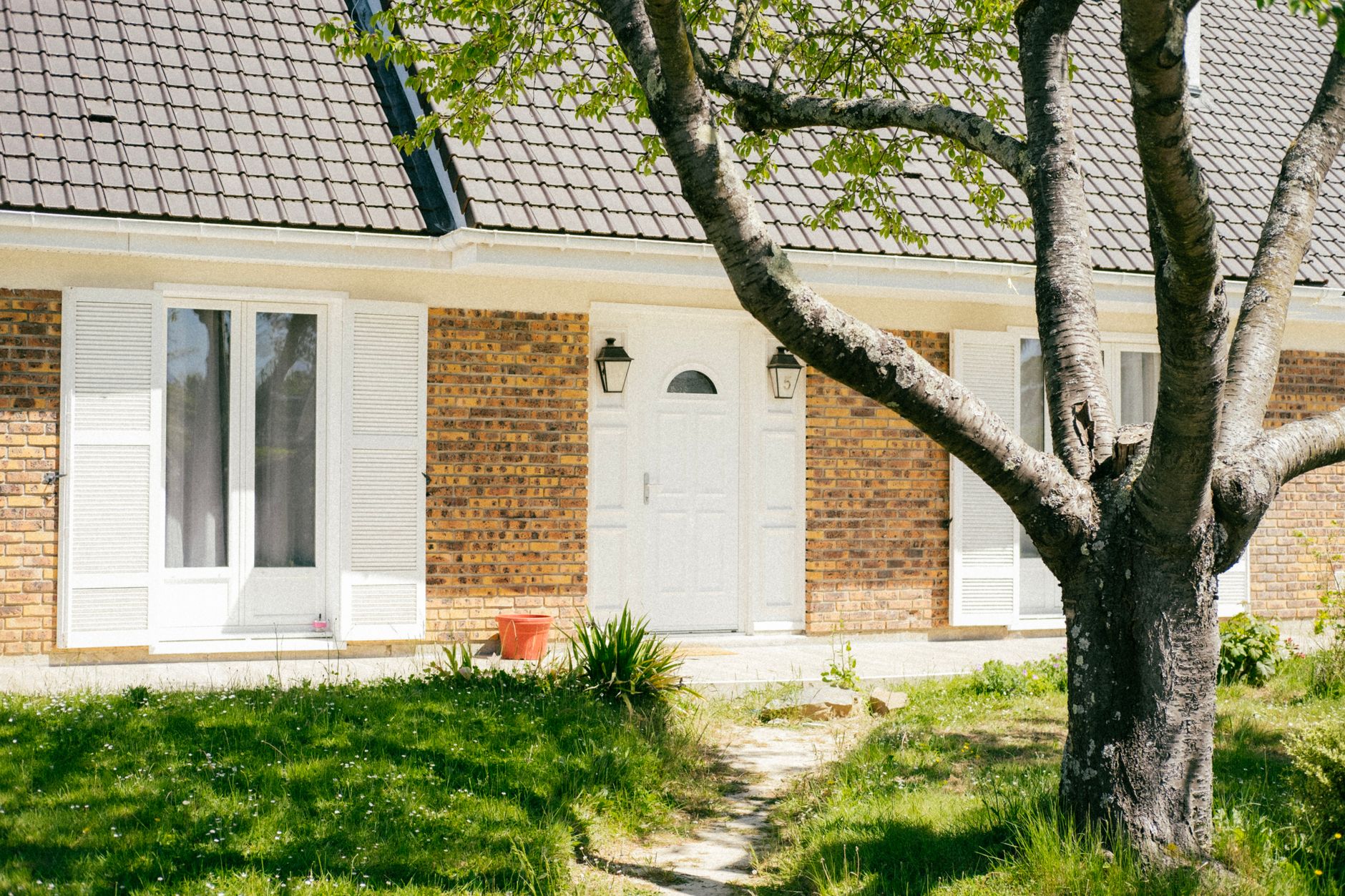
Garden Grove Chimney Caps, Inserts and Rebuilds, Done to the Rule
Services measured against the standard
Every card lists what gets checked. Spark arrestor caps, fireplace inserts and chimney rebuilds lead our work, because a fire official, an insurer or a city inspector usually has a say in them.
Chimney Sweep
Creosote and soot cleared from every flue, with the depth of the buildup written on a dated record you can show an insurer.
Chimney Inspection
Whichever NFPA 211 level fits the trigger, 1 or 2, with every finding tied to the rule behind it.
Chimney Repair
Faults that would fail a code reading, from open joints to a missing spark screen, corrected in order of fire and water risk.
Fireplace Inspection
The room side measured against hearth, firebox and mantel clearance figures, with a written pass or correction for each part.
Fireplace Repair
Firebox, damper and refractory faults corrected with parts that keep a factory unit inside its listing and a masonry box sound.
Chimney Level 2 Inspection
The NFPA 211 level tied to a sale or a change of appliance, covering video of the flue and the sections hidden in framing.
Chimney Cap Installation
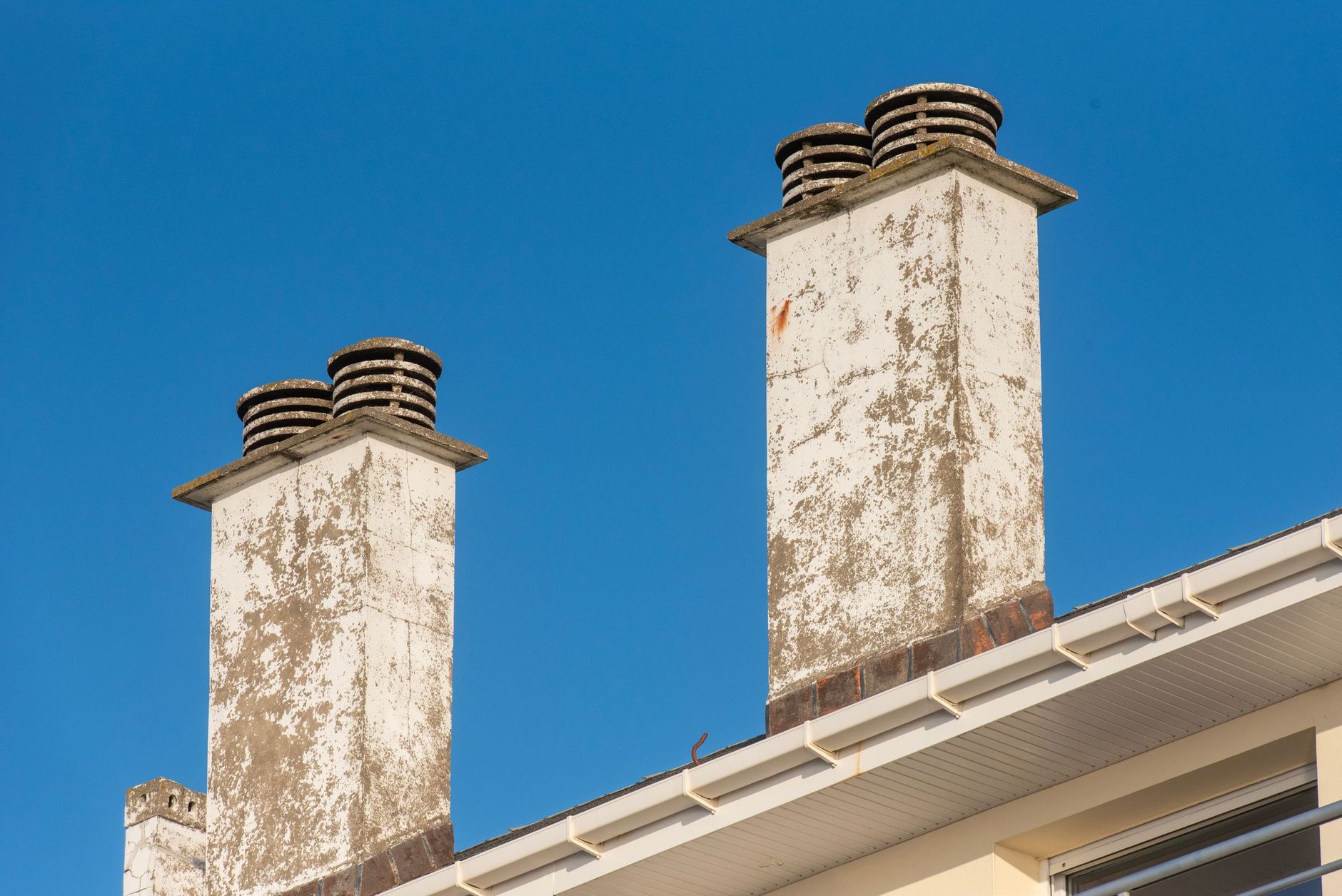
A cap with a spark arrestor screen fitted to each flue, sized to local fire rules and fixed to keep rain and animals out.
Chimney Flashing Repair
The roof-to-chimney seal rebuilt in step and counter layers, keeping water off the framing that clearance rules protect.
Chimney Masonry Repair
Open joints, spalled brick and loose courses repaired so the stack carries its own weight and stays within what an inspector will pass.
Chimney Rebuilds
Unsafe stacks taken down and rebuilt under permit, to the height, clearance and reinforcement points a city inspector checks.
Fireplace Cleaning
The firebox, glass and surround cleaned so an inspector or a buyer sees the fireplace itself, not years of smoke.
Gas Fireplace Cleaning
Burner, pilot and glass on gas units cleaned and the vent looked at, so the appliance runs as its maker's listing describes.
Gas Fireplace Repair
Pilot, valve and ignition faults on gas units found and fixed with listed parts, then tested before the unit goes back in service.
Fireplace Remodel
Facing, hearth and mantel updates drawn to the clearance figures first, so the finished fireplace looks right and passes inspection.
Fireplace Inserts
Gas, wood or electric inserts installed with a full-height liner and the permit steps many cities expect for gas and venting.
Pellet Stove Repair
Error codes, failed igniters and slow feed on pellet units traced to one part, replaced from the maker's list, and the vent checked.
Wood Stove Repair
Wood stoves brought back to their listing: door seals, baffles, firebrick, stovepipe and wall clearances checked and corrected.
Gas Logs
Log sets matched to the firebox and to the venting rules, so a wood fireplace converts to gas without losing its approval.
Chimney Seismic Retrofit
Older brick chimneys braced or rebuilt lighter so a strong quake is less likely to send brick through the roof.
Chimney Crown Repair
The masonry top of the stack resealed or recast so water stops soaking the brick and running down beside the flue.
Dryer Vent Cleaning
Lint cleared from the dryer duct to the outside hood, with the run length and duct material compared against code limits.
Chimney Liner Installation
Stainless liners sized to the appliance and run the full height of the flue, the usual correction for a cracked or oversize tile.
Chimney Leak Repair
Water at the chimney traced to where it enters and repaired at that point, with leak work priced from $585 to $3,500.
Chimney Waterproofing
A breathable repellent applied to sound brick after repairs, so the stack sheds rain without trapping moisture inside.
Chimney Damper Repair
Stuck, rusted or warped dampers freed, repaired or replaced, including top-mounted units worked by a cable from the firebox.
Chimney Chase Cover
Rusted metal tops on framed chimneys replaced with a sloped stainless top cut to the chase, under the listed cap.
During the Visit
Each measurement is written down before a finding is graded.
Caps, inserts and rebuilds held to the standard.
Dillon Chimney Experts works from Garden Grove in Orange County. Requests usually arrive with a question from outside the house: an escrow file, an insurance renewal, a building department.
We answer it from the rule. NFPA 211 for inspection levels and clearances, the listing label for factory-built and gas units, the city code where a permit applies.
Each finding is graded pass, monitor or correct, with the requirement beside it and a photo behind it, so whoever reads the report can check it for themselves.
Spark screens matched to fire rules
Permit steps flagged before work
Listing labels read on factory units
Clearances measured and recorded
A Common Request
"Our insurer wants proof of a spark arrestor."
The cap, the screen and the photo that shows it go into one report.
Rule First, Opinion Second
Every finding we write names the standard behind it. When no rule applies and the choice is a matter of taste, we say that instead.
Measurements, Not Impressions
Clearances, flue sizes and hearth depths are measured and written down, so a later inspector can check the same numbers.
Permit Questions Answered Early
Inserts, rebuilds and seismic work can need a city permit. We find out what your city expects before the scope is final.
Prices Before Work
Published prices are quoted as published. Anything else gets a written scope, and nothing begins before you approve it.
When a sale, a board or a code question is driving the visit
Four pages written for a specific reader: the party to a sale, the agent filing the report, the HOA board, and the owner told the chimney fails.
Home sale report
A sample Level 2 report read page by page, so a buyer or seller in Garden Grove knows what each finding does to the deal.
For agents
What a Garden Grove agent receives from a chimney inspection, how it is laid out, and how it slots into a disclosure file.
HOAs and managers
For Garden Grove HOA boards and managers: which chimneys the association owns, how a building is inspected in one visit, and what the board can file.
Up to code repairs
Failed a Level 2 in Garden Grove? Structural items first, from cracked crowns and loose brick to bracing and rebuilds, with prices where we publish them.
From the reason for the visit to a cited report
The order never changes: identify the trigger, match the rule, measure, report, then scope any correction on paper.
Name the Trigger
Use the contact form to say what prompted the visit: escrow, an insurer's notice, insert plans, ceiling stains. That reason decides the inspection level.
We Match the Rule
Before the visit we say which standard or permit applies and which service fits, with the price from our published list where one exists.
Measured on Site
The technician measures clearances, records the flue and checks each part against its requirement, and you are welcome to follow along.
Report With References
You receive photos and a report that sorts findings into pass, monitor and correct, each beside the requirement it relates to.
Scope and Permit Steps
Corrections arrive as a written scope. Where the city asks for a permit, the scope says so and explains what the inspection involves.
Requests are read daily, 7:00 AM to 7:00 PM.
Planning a cap, an insert or a rebuild? Dillon Chimney Experts checks the rule first
From Garden Grove we cover Santa Ana, Cypress, La Mirada and the rest of our list. Say what you are planning and who has asked for proof, and we reply with the permit or listing question it raises.
Use the Contact FormRequests read daily, 7:00 AM to 7:00 PM
Request a scope
Say which service and why. We answer with the level, the rule and any listed price.
Based in Garden Grove, with Santa Ana and Cypress next door
140 places have their own page with local housing notes. Type a city or ZIP code to open yours.
Garden Grove
Our central Orange County base
Dillon starts every route here, and 77% of Garden Grove homes predate 1980, built when hearth codes asked less. Our NFPA 211 visit measures mantel and hearth clearances, then lists in writing what a plan checker or insurer would flag.
Santa Ana
Inland Orange County seat
French Park, Floral Park, Heninger Park, Washington Square and Wilshire Square: older houses there often keep brick chimneys. Rebuilding one, or adding an insert, may involve a city permit, so our scope follows what an inspector reads in NFPA 211.
Cypress
Northwest Orange County, county line
Owners hold 68% of Cypress homes, and 62% stand detached. Clearance to combustibles is the number an inspector measures on a wood-framed tract house, so the space between flue and framing is our opening code question.
La Mirada
Santa Ana Freeway city, 1960
Of La Mirada homes, 80% were built before 1980, yet only 3% before 1950. An insert in a ranch firebox of that vintage can trigger a permit, which is why our liner and clearance drawing is tied to NFPA 211 before ordering anything.
More areas
136 more areas in our directory
Three local factors
The rule is the same; the house in front of it is not
Each report notes which of these applies to your chimney and which does not.
Postwar brick
Brick chimneys from the 1950s and 1960s may carry clay tile cracked by past quakes. A Level 2 records the flue on video so the damage, if any, is on file.
Fire rules
Fire officials and insurers ask for a spark arrestor screen on wood-burning chimneys. We note whether yours has one and whether it fits the flue.
Factory-built units
Many later homes have metal fireplaces judged by their listing label. Mixed parts or a wrong cap can take them outside that listing, and we check for both.
The rule first, then what it means for your house
Each answer names the standard or requirement behind it. Question not here? Send it through the contact form.